Print Hardcover Book: The Complete Guide for Authors and Publishers
In today’s publishing world, many authors and businesses still choose to print hardcover book editions because they offer durability, premium appeal, and long-term value. While digital publishing and paperbacks have become common, hardcover books continue to stand out for their professional presentation and lasting quality. Whether you are a self-published author, a business creating branded publications, or a publisher producing collector editions, choosing to print hardcover book copies can significantly elevate the perceived value of your work.
Hardcover books have always been associated with prestige and longevity. From bestselling novels to educational textbooks and coffee table books, hardcover editions represent a higher standard of production. When readers hold a hardcover book, they often feel they are holding something more permanent and meaningful.
Why Authors Prefer to Print Hardcover Book Editions
One of the biggest reasons authors choose to print hardcover book versions is durability. Hardcover books are built with rigid boards and protective coverings that allow them to withstand years of handling. Unlike paperbacks that can bend or tear easily, hardcover books maintain their shape and structure over time.
Another reason is the professional image they create. A hardcover edition often signals that a book is premium or collectible. Libraries, educational institutions, and serious readers tend to prefer hardcover formats because they last longer and look better on shelves.
For self-publishing authors, releasing a hardcover version can also strengthen credibility. It demonstrates commitment to quality and makes the book appear more polished and authoritative.
The Key Features of a Hardcover Book
When you decide to print hardcover book copies, several components make the format unique.
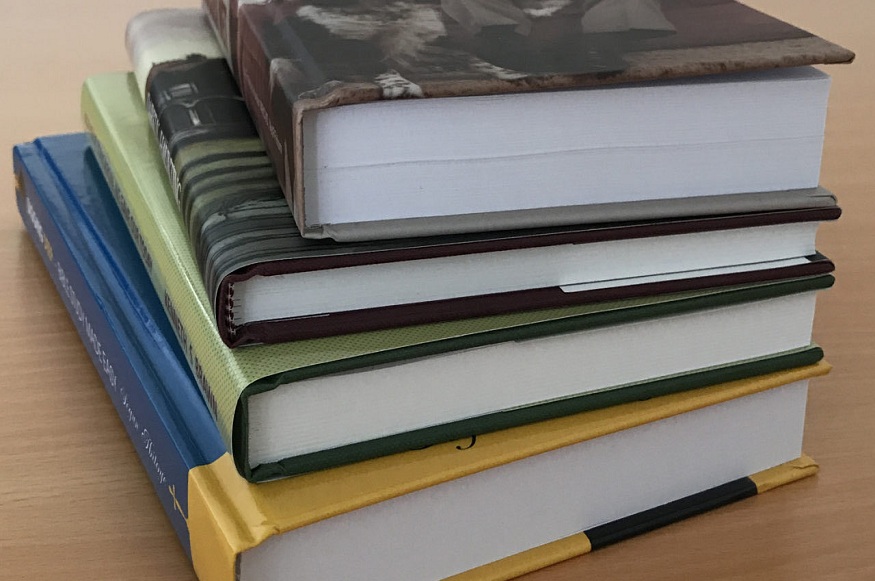
The cover board is the most obvious feature. Hardcover books use thick cardboard or binder’s board that is wrapped in cloth, leather, or printed paper. This rigid structure protects the pages inside and keeps the book stable.
Another key feature is the dust jacket. Many hardcover books include a removable dust jacket that provides additional protection and visual appeal. The dust jacket usually displays the book’s artwork, author information, and promotional content.
Read More: 6 BENEFITS OF WORKING WITH A DIGITAL MARKETING AGENCY IN CAMEROON
Binding is another important element. Hardcover books are often sewn or case bound, which ensures the pages remain securely attached even after repeated use.
These features collectively make hardcover books stronger and more visually appealing than many other formats.
Types of Hardcover Book Printing
There are several options available when planning to print hardcover book editions. Each option offers different benefits depending on the purpose of the book.
Case bound books are the most traditional form of hardcover printing. In this method, pages are sewn together and then attached to a rigid cover. This approach is commonly used for novels, textbooks, and high-quality publications.
Cloth bound books use fabric covers that provide a classic and elegant look. Many academic books and collector editions use this style because it gives the book a timeless appearance.
Printed case wrap books feature artwork printed directly onto the hardcover surface. This eliminates the need for a dust jacket and is often used for photo books, yearbooks, and children’s books.
Each printing option offers unique design possibilities, allowing authors and publishers to customize the final product according to their vision.
When You Should Print Hardcover Book Editions
Not every book needs to be printed in hardcover, but certain types benefit greatly from the format.
Collector editions are one example. If a book is expected to become a keepsake or gift item, a hardcover version adds value and longevity.
Educational and reference books also benefit from hardcover printing because they are used frequently and must remain intact for many years.
Photo books and coffee table books are another common example. These books often feature high-quality images and are meant to be displayed, making hardcover printing the ideal choice.
Even fiction authors sometimes release hardcover editions for special launches or limited runs to attract dedicated readers.
Read More: JIMDO ONLINE STORE REVIEWS (2022): WHY CHOOSE THIS EDITOR?
Design Considerations for Hardcover Books
Designing a hardcover book requires careful attention to several details.
The spine width must be calculated accurately so the cover aligns perfectly with the pages. Hardcover books also require additional margins known as hinge areas where the cover bends.
Another important factor is the dust jacket design if one is included. The jacket typically contains front and back flaps that hold extra information about the book and author.
Typography and layout also play a major role in hardcover publishing. Since hardcover books are often considered premium products, the interior design should reflect high standards of readability and visual balance.
Authors who want their books to stand out should invest time in professional formatting and design before moving forward with printing.
Print on Demand vs Offset Printing
When preparing to print hardcover book editions, authors and publishers usually choose between two main printing methods.
Print on demand is ideal for small quantities. With this approach, books are printed only when orders are placed. This reduces upfront costs and eliminates the need for large inventory storage.
Offset printing is better suited for large print runs. It offers lower cost per unit and higher color accuracy, but it requires printing hundreds or thousands of copies at once.
Self-published authors often start with print on demand to test the market. If the book becomes successful, they may switch to offset printing for larger distribution.
The Benefits of Hardcover Books for Branding
Businesses and organizations often print hardcover book publications for branding and marketing purposes. A well-designed hardcover book can communicate authority and professionalism.
Companies sometimes create hardcover books to share their story, highlight their achievements, or present industry insights. These books can be used as corporate gifts, promotional materials, or educational resources.
Because hardcover books feel more substantial than brochures or booklets, they leave a stronger impression on readers and clients.
Cost Factors When Printing Hardcover Books
Printing hardcover books usually costs more than producing paperbacks, but the investment often pays off in terms of perceived value.
Several factors influence the cost, including page count, trim size, paper quality, and binding method. Color printing and special finishes such as foil stamping or embossing can also increase the overall price.
However, many readers are willing to pay more for hardcover editions, especially if the book offers premium design and long-lasting quality.
For authors who want to build a strong brand or offer collectible editions, the extra cost is often worthwhile.
Tips for Successfully Printing Your Hardcover Book
Before deciding to print hardcover book copies, authors should focus on preparation and quality control.
Editing is the first step. A professionally edited manuscript ensures the book reads smoothly and maintains credibility.
Formatting is equally important. Proper layout and typography help create a polished reading experience.
Choosing the right printer also matters. Reliable printing services provide accurate color reproduction, durable binding, and consistent quality.
Finally, authors should always review a physical proof copy before approving the final print run. This step allows them to check the design, alignment, and overall appearance of the book.
The Future of Hardcover Publishing
Despite the rapid growth of digital books, hardcover editions continue to hold a special place in the publishing world. Readers still value physical books that feel substantial and permanent.
For authors, hardcover books provide an opportunity to create something memorable that readers can keep for years. Limited editions, signed copies, and premium designs continue to attract collectors and loyal fans.
As printing technology advances, it is becoming easier and more affordable for independent authors to produce high-quality hardcover books without the support of traditional publishers.
Final Thoughts
Choosing to print hardcover book editions can transform a manuscript into a premium product that readers appreciate and remember. Hardcover books offer durability, elegance, and a sense of permanence that digital formats cannot fully replicate.
For authors, publishers, and businesses alike, hardcover printing remains one of the most powerful ways to present content in a professional and lasting format. By investing in quality design, careful formatting, and the right printing method, anyone can create a hardcover book that stands out on shelves and leaves a lasting impression on readers.
If your goal is to create a publication that looks impressive, lasts for years, and enhances your brand or storytelling, deciding to print hardcover book editions is a step in the right direction.